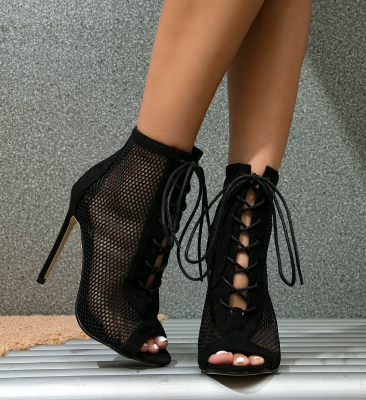


What is the difference between regular high-heeled shoes and High Heels dance shoes? How to choose shoes for Heels dancing?
Many dancers, when deciding to start dancing in the High Heels style, make a big mistake by beginning their dance journey in regular high-heeled shoes designed for the street rather than for dancing. As a result, they face difficulties in the studio, an increased risk of injuries, and unfortunately, some stop dancing altogether. So, what is the difference?
The difference between regular high-heeled shoes and special High Heels dance shoes lies in their design, comfort, stability, and functionality. Dancing in high heels requires specific shoe features that ensure comfort and safety during intense movements.
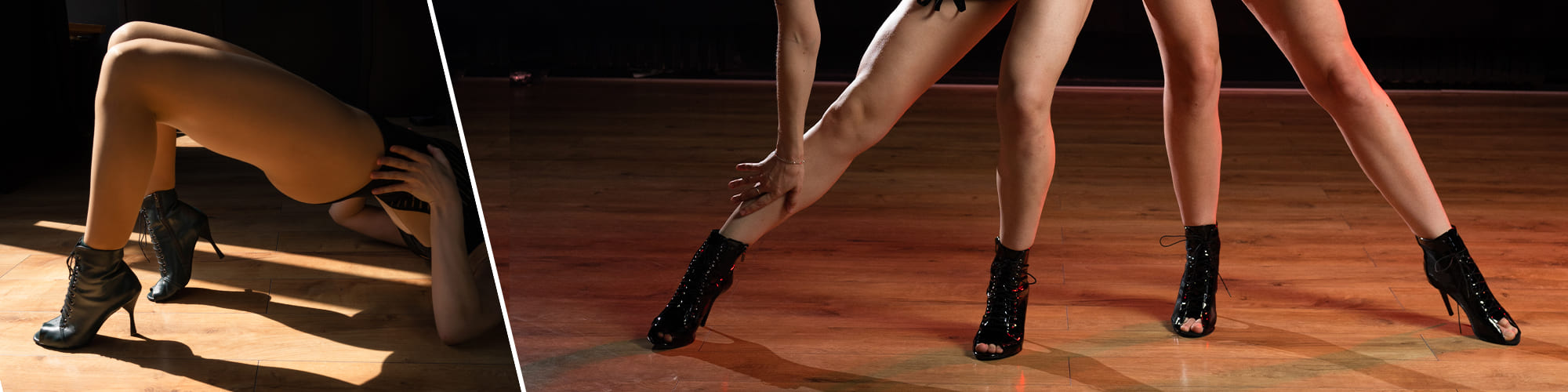
What should the construction of High Heels dance shoes be?
High Heels dance shoes typically feature a special design that includes the following elements: heel, sole, foot fixation, material flexibility, and cushioning. All these aspects together provide optimal support, comfort, and stability while performing complex dance movements.
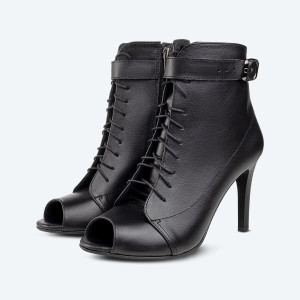
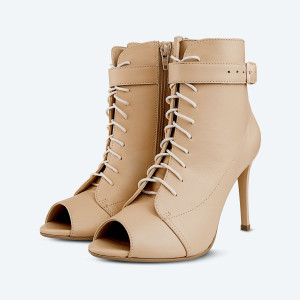
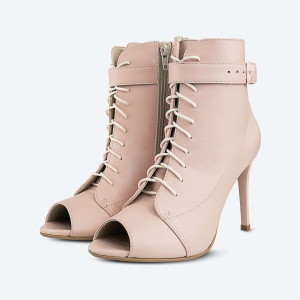
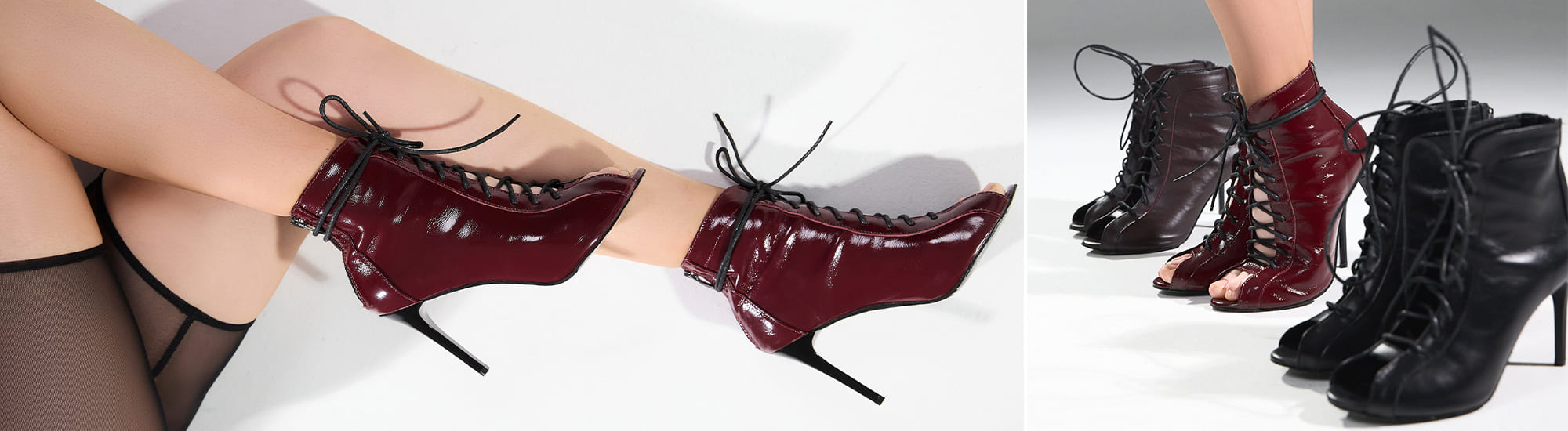
Therefore, High Heels dance shoes should be enclosed and offer proper fixation. For example, all our heels are secured with laces, zippers, and some have additional straps, as seen in models like Black Cross Heels, Silver Cross Heels, Queen Heels, Sandstone, and Blush Blossoms.
-300x300.jpg)
-300x300.jpg)
What type of heel is best for dancing?
In High Heels dance shoes, the heel plays a key role in ensuring stability and support during complex movements. Apart from the appearance - whether glossy or matte black - heels can vary in shape, such as Spool or Stiletto. For better stability, the heel may be slightly shifted forward, as in the Glam Heels model, or positioned centrally, as in the Berlin model. This design prevents overloading the foot during dance.

The optimal heel height ranges from 7 to 10 cm. The most popular and comfortable heel heights for this style are 9 and 10 cm. While everyday shoes may have unstable heels (not designed for high-intensity use), especially if they are too high, narrow, or overly wide, professional dance shoes ensure better stability.
What type of sole is best for High Heels shoes?
High Heels dance shoes often have specially designed soles for parquet, providing optimal floor grip and preventing excessive sliding during active movements. The sole should be flexible and thin, without ribbing or a high platform. Wearing such shoes, you should feel the floor and easily rise onto your toes.
Soles are usually made from two types of material: soft suede, as in Bordo Heels, and hard leather (smooth), as in Sandstone. Good dance shoes bend easily in half and return to their original shape.
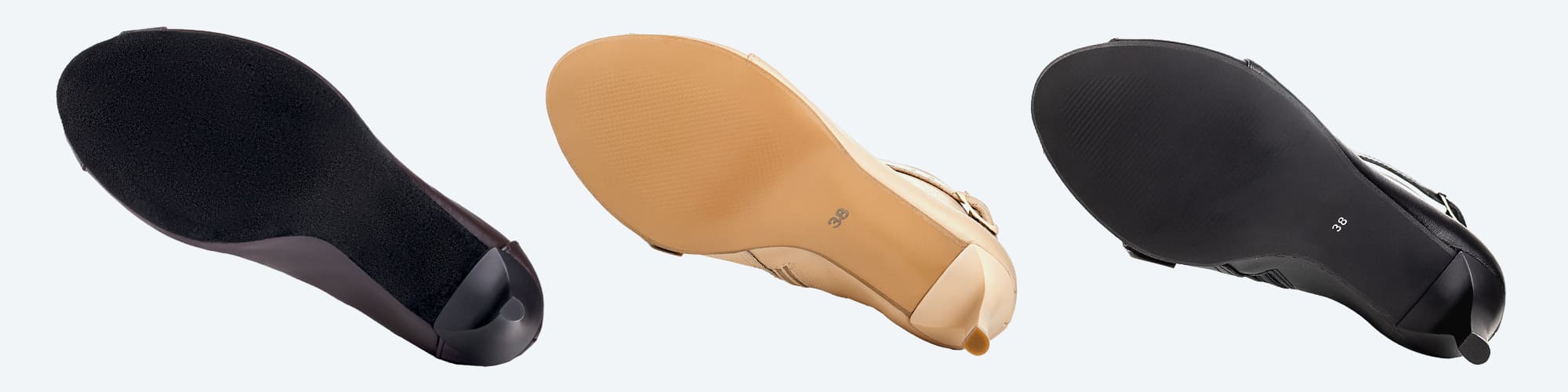
In comparison, regular shoes are hard to bend due to their long shank, and the sole is made rigid for outdoor conditions. Additionally, such shoes might either not slide at all or be overly slippery and unstable, potentially harming the dancer.
What material should High Heels be made of?
The materials used in High Heels shoes should be more flexible and soft to provide better movement sensations. Therefore, all our models are made of soft leather, such as Malachite, combined materials like Glam Heels, or natural suede like Bourree.
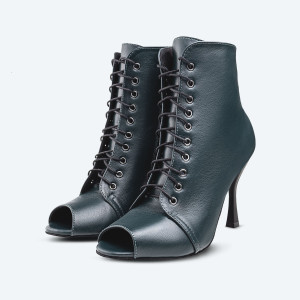
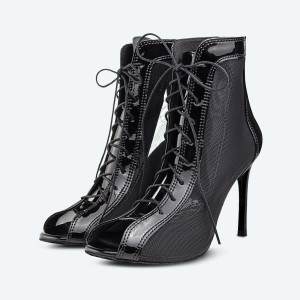
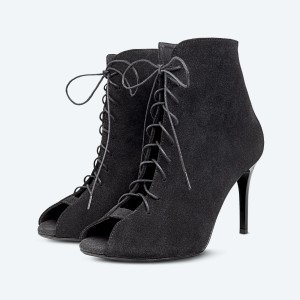
It is important to note that patent leather shoes tend to shrink slightly over time, whereas non-patent leather shoes stretch. For this reason, patent eco-leather shoes should be chosen half a size larger, while natural leather ones half a size smaller (always refer to the brand’s size chart).
Which type of High Heels is most suitable for dancing?
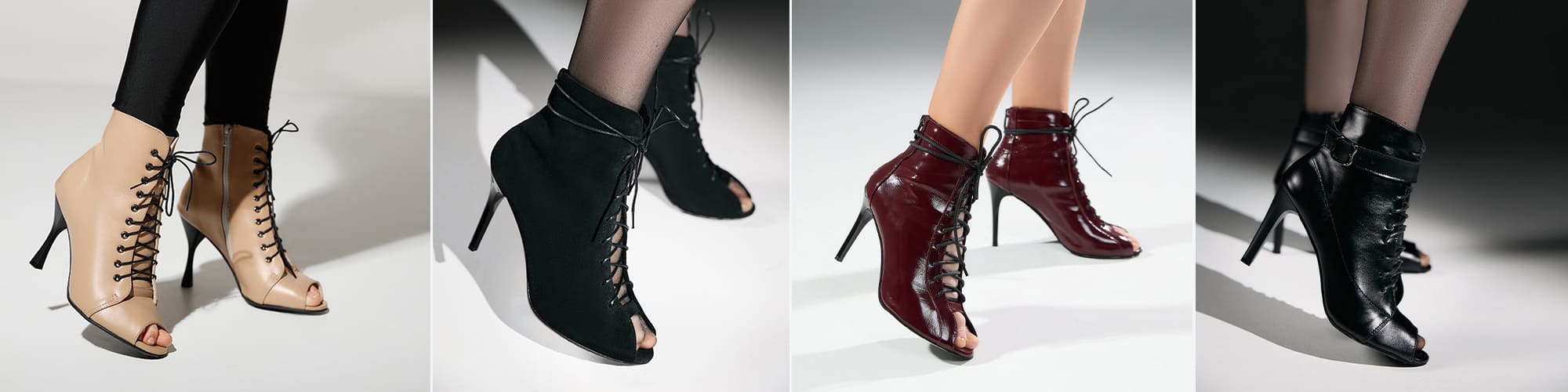
Aspiring dancers often wonder which shoes are best for practice: classic open-toe booties, high boots, stripper shoes, or salsa shoes. If you’ve chosen the High Heels style, we recommend sticking with the classic option—booties. These are the open-toe shoes with laces, often complemented by a zipper and a high cuff that provides good foot fixation.
Thigh-high heeled boots are more suitable for spectacular performances than regular training, but the choice depends on your preferences.
Regular pumps should generally be avoided as they do not provide proper support - the foot may slip, increasing the risk of injury. Additionally, a long closed toe is likely to hinder dancing rather than help perform various movements. This option is only suitable for experienced dancers.
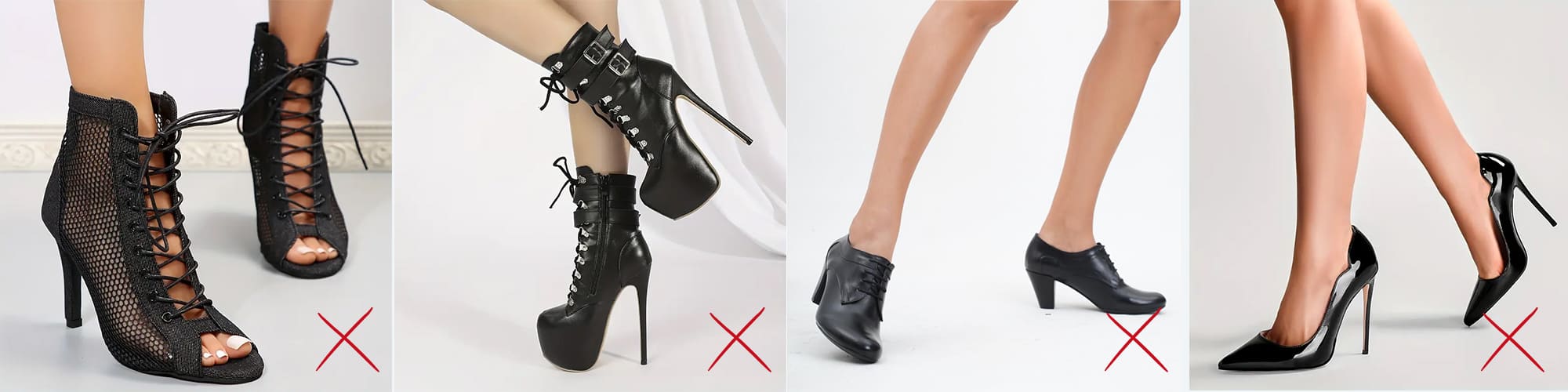
We also want to draw your attention to High Heels-style booties from mass-market stores or platforms like AliExpress. These models are often chosen by beginners as they are more affordable and delivered faster. However, such shoes often have uncomfortable lasts, incorrectly positioned heels, and insufficient foot fixation. These nuances may not be noticeable visually. If you try dancing in such shoes first and then switch to professional ones, the difference will be obvious. Moreover, mass-produced shoes generally fall short of specialized ones in terms of quality and durability.
We recommend starting your dance journey with shoes specifically designed for Heels dancing. When choosing shoes, it’s important to consider factors like foot fixation, heel stability, flexibility, weight, and material quality. This way, your dance experience will be more comfortable. Dance with HeelsHub, and every movement will be light and safe.
 Previous
 World
World
 United Kingdom